
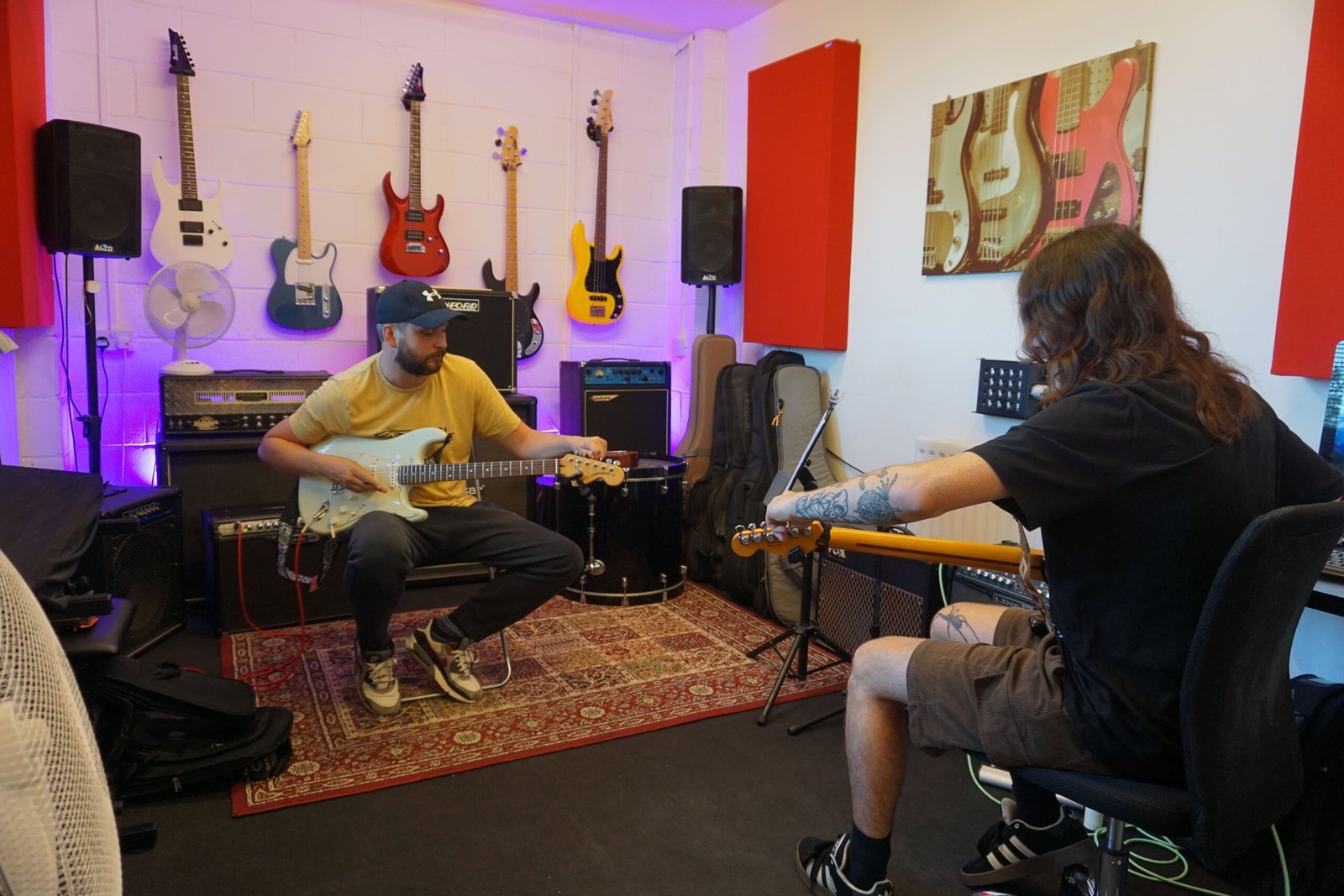
How to Help Your Child Practise Guitar Without Nagging
Honest advice from the tutors at Guitar Academy on keeping your child playing, and why a lack of practice isn’t the end of the world.
“My child doesn’t practise enough.” It’s something we hear from parents all the time at Guitar Academy in Petersfield and Chichester.
It’s frustrating. You’re investing in lessons and an instrument, and naturally you want to see a return. So how do you encourage your son or daughter to practise without it turning into a battle? Here’s what we’ve learned.
The Short Answer
Most young guitarists don’t practise much at home, and that’s completely normal. The best way to help is to stop nagging, swap the word “practise” for “play”, share your love of music with them, and encourage little and often. And remember: if your child is engaged in their lessons, they’re still making progress.
“My Child Never Practises”: You’re Not Alone
Here’s the difficult truth: a lot of young students don’t practise. Children have busy lives full of school, friends, screens and other activities, and finding time for guitar between all of that is hard. It’s very normal.
We’ve seen parents cancel lessons because their child wasn’t practising enough. We completely understand the feeling, but as you’ll see below, a lack of home practice doesn’t mean lessons aren’t working.
Of course, if your child does practise, that’s brilliant, and it will really help their development. So how can you encourage it?
Why Nagging Backfires
As a parent, you’ve probably noticed that the more you ask for something to be done, the less likely it is to happen. Guitar is no different.
Constant reminders and overuse of the word “practise” can poison the activity for your child. Guitar stops being something fun and starts feeling like another homework task. The goal is to inspire them to pick up the guitar, not to make it a chore.
How to Encourage Practice Without Nagging
These are the strategies we recommend to parents at Guitar Academy.
1. Share Your Love of Music
Inspiration works far better than instruction. Share music you love with your child, watch live performances together on YouTube or TV, or take them to a gig or local concert. Seeing real musicians play is one of the best ways to make a child want to pick up their own instrument.
2. Say “Play”, Not “Practise”
“Practise” can very quickly become a negative word. “Play” is much harder to build a negative association with. So instead of “Have you practised your guitar?”, try “Why don’t you play your guitar for a bit?” It’s a small change that makes a big difference.
3. Little and Often
Short, regular bursts of playing are far more successful than long sessions. A few minutes picking up the guitar here and there keeps skills fresh and stops it feeling like hard work.
4. Give Them a Goal to Work Towards
Some children thrive on earning certificates and having a clear target, almost like levelling up in a game. If that sounds like your child, talk to their tutor about working towards a Rockschool grade. It gives them a real sense of achievement and a reason to play.
Don’t Worry: Your Child Is Still Progressing
Here’s the good news. We’ve had students learning with Guitar Academy for years who rarely practise at home, and they still progress. Every time they come in for a lesson, they achieve something. They play along to tracks, they put the work in, and they develop their skills.
That’s because of how we teach. We never front-load a lesson with information and expect it to be learned at home. Almost everything we teach is practised and applied during the session itself, and we rarely send students away with homework we know they won’t be able to manage.
So if your child is playing and engaged in their lessons, they’re moving forward. Practice at home is a bonus that speeds things up, not a requirement for progress.
Want to Give Your Child a Goal?
🎸 Rockschool grades at Guitar Academy
For children who love a challenge, working towards a Rockschool grade can be a brilliant motivator. It turns learning into a series of achievable goals, with a certificate to show for their hard work.
Speak to your child’s tutor to find out if graded exams are a good fit. We’ll be covering Rockschool grades in more detail in a future article.
Frequently Asked Questions
Is it normal for my child not to practise guitar?
Yes, very. Most young students don’t practise much at home because they have so many other things going on. It’s nothing to worry about.
Will my child still improve if they don’t practise?
Yes. At Guitar Academy, most of what we teach is practised and applied during the lesson itself, so students who are engaged in their lessons keep progressing. Home practice simply helps them progress faster.
How can I get my child to practise guitar without arguments?
Avoid nagging, use the word “play” instead of “practise”, share music and live performances with them, and encourage short, regular bursts of playing rather than long sessions.
Should I stop lessons if my child isn’t practising?
Not necessarily. If your child is enjoying and engaging in their lessons, they’re still making progress. Have a chat with their tutor first. They’ll be able to tell you how your child is getting on.
Our Verdict
Most young guitarists don’t practise as much as their parents would like, and that’s okay. Instead of nagging, inspire them, ask them to “play” rather than “practise”, and keep it little and often. For children who love a target, a Rockschool grade can be a great motivator. And above all, remember that if they’re engaged in their lessons, they’re still moving forward.
If in doubt, reach out. We’re always happy to help. Find out more about our kids’ guitar lessons in Petersfield and group lessons in Chichester, or read our guide on what age a child can start guitar lessons.
Guitar Academy offers one-to-one and group guitar lessons in Petersfield and Chichester for children, teens and adults of all abilities.
